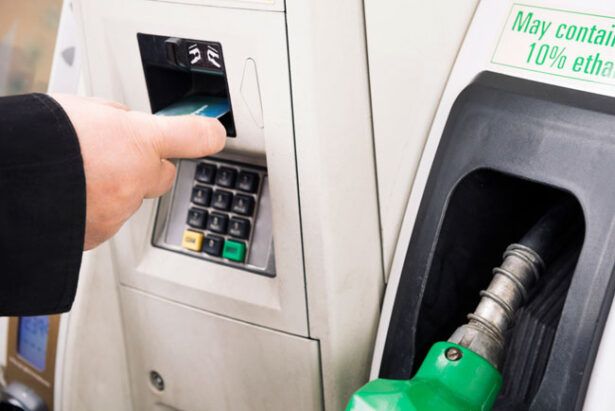
A fleet card or fleet fuel card is a business gas card used for fuel purchases, service discounts, transaction reporting and other fleet-related expenses. Many fleet-dependent businesses use fleet cards for purchasing power and fuel rebates, but the same card can be used for fleet management, fuel management, maintenance tracking, purchase limits and reporting.
Fleet cards have proven to be excellent tools for fleet management. Their ability to enhance efficiency, control and cost savings should not be overlooked.
How Fleet Cards Can Support Fleet Management Software and Tools
Fleet management tools help businesses organize vehicles, drivers, fuel expenses, maintenance, compliance and reporting in one place. A fleet card can support that software and platform ecosystem by turning fuel purchases, service discounts, purchase limits and transaction details into practical fleet management data.
When fleet cards are used with telematics, GPS tracking, dashboards, maintenance scheduling, inspections, work orders and route optimization, fleet managers can see more of what affects costs and performance. This added visibility can help teams reduce downtime, monitor driver safety, control fuel costs and make better decisions across fleet operations.
What Fleet Management Tools Should Help Managers See
Strong fleet management tools are designed to make daily operations easier to measure. For a fleet card, that means giving managers access to fuel transaction records, mileage, purchase limits, driver activity, service reminders, inspection data, maintenance schedules, alerts and reporting dashboards. When those details are connected with fleet management software, telematics or GPS tracking, managers can better monitor costs, identify route problems, help reduce downtime, improve driver safety and make decisions with less guesswork.
Fleet cards can be practical fleet management tools when managers use them for visibility, control, cost savings, fuel expense tracking and data-driven decisions.
Facets of Fleet Management
Fleet management covers the administration and coordination of company vehicles, drivers, assets, equipment, maintenance, safety, compliance and related data. Effective fleet management supports cost control, operational efficiency, productivity and better decision-making.
Five Major Aspects of Managing a Fleet Include:
- Fuel management: Managing fuel expenses, fuel costs, fuel consumption and fuel tracking is a key part of fleet management because fuel can represent a large share of the operating budget.
- Route planning: Efficient route planning and route optimization help reduce fuel consumption, minimize travel time, improve dispatch decisions and support overall productivity.
- Vehicle maintenance: Regular maintenance, inspections, service reminders and maintenance schedules help vehicles stay in working condition while reducing downtime and costly repairs.
- Driver management: Effective driver management involves monitoring driver performance, driver safety, compliance, training and accountability.
- Regulatory compliance: Compliance processes, records, inspection forms and reporting help businesses avoid penalties and manage risk.
Fleet Cards and Their Role in Fleet Management
Fleet cards can support fleet management software, telematics platforms and reporting workflows by giving managers structured fuel and expense data. These specialized payment cards help businesses manage fuel purchases, maintenance expenses, service discounts, purchase controls and analytics in ways that improve efficiency and control.
Fuel Rebates and Service Discounts
Fuel rebates and service discounts can reduce fleet costs and support a broader fuel management strategy. These incentives make fleet cards useful for managing fuel expenses, maintenance services, parts and other fleet-related costs.
Fuel rebates and service discounts can reduce fuel costs and maintenance expenses when managers track usage, locations and service activity consistently.
One of the most significant advantages of using fleet cards is the access to fuel rebates and service discounts.
Fuel Rebates
Fuel rebates help companies using fleet cards lower fuel costs. Many fuel card providers offer rebate programs tied to fuel volume, location and the specific fuel card program. When these rebates are tracked in reports or dashboards, businesses can connect savings to fuel usage, routes and overall fleet performance.
Discount Programs
Along with fuel rebates, fleet cards often provide access to discount programs for vehicle maintenance services, tire purchases, parts and other fleet-related expenses. These discounts can help reduce operating costs and support fleet maintenance while minimizing the need for manual tracking.
Real-time Transaction Data

Real-time transaction data helps fleet managers monitor fuel purchases, maintenance expenses and other transactions as they occur. This visibility can help improve control and oversight of fleet operations while helping teams identify discrepancies, unauthorized purchases, misuse and unusual spending patterns.
The data points captured by fleet cards include:
- Date and time of transaction
- Fuel station location
- Amount of purchase
- Volume of purchase
- Fuel type (gas vs. diesel)
- Fuel grade (regular vs. premium)
This information helps managers monitor drivers, fuel usage, vehicle activity, locations and fleet operations.
Automated Fuel Expense Tracking
Manual fuel expense tracking can be time-consuming and error-prone. Real-time transaction data and automation allow fleet card transactions to be recorded, categorized and prepared for reports with minimal need for manual data entry.
Automated fuel expense tracking also helps ensure fuel-related expenses are accounted for, making it easier to generate expense reports, manage budgets and support accounting workflows. This gives fleet managers more time to focus on fleet maintenance, driver safety, route planning and other management tasks.
Purchase Limits for More Control
Fleet cards allow managers to set purchase limits and spending controls. Limits can be customized by fuel type, transaction amount, time of day, location or driver, helping businesses prevent unauthorized or excessive spending while keeping fuel expenses within budget.
Purchase limits also promote responsible driver spending. Aligning limits with a fuel spending policy creates clear restrictions, supports compliance and gives managers more control over daily fleet operations.
Reporting and Analytics
Effective fleet management relies on data-driven decision-making. Fleet cards provide reporting and analytics tools that help identify fuel consumption, spending patterns, maintenance expenses, route activity and opportunities for improvement.
Reporting and analytics can also reveal trends that are easy to miss, such as fuel inefficiencies, driver behavior problems, maintenance issues, route problems or rising costs. These insights are designed to help businesses improve fleet efficiency, reduce costs, manage performance and support safer operations.
The Key to Managing your Fleet
Fleet cards can serve as effective fleet management tools. This is especially true when fleet managers and business owners take advantage of fuel rebates, service discounts, real-time transaction data, automated fuel expense tracking, purchase limits, reporting and analytics. When paired with fleet management software, telematics, GPS tracking, maintenance scheduling and dashboards, fleet cards are designed to help businesses manage fleets more effectively.