
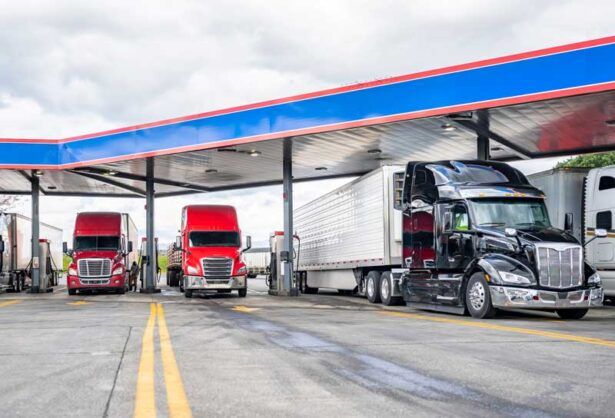
Fleet fuel expenses often account for one of the highest operational costs for businesses with commercial vehicles. Traditional payment methods offer no price breaks and, at times, limited fueling options. Fleet fuel cards are designed to address both through per-gallon rebates and extensive acceptance networks. The result can help reduce costs and improve operational convenience across thousands of locations nationwide.
Fuel rebates and nationwide acceptance work together with Shell Business Fleet Solutions. Apply for a Shell Fleet Card today.
Shell offers network coverage at more than 12,000 Shell-branded stations, plus acceptance at 95% of U.S. fuel stations, meaning cards work at nearly every fuel station in the country.
How Fleet Fuel Rebates Work
Rebates function differently from point-of-sale discounts. Drivers do not receive reduced prices at the pump. Retail fuel prices remain consistent regardless of payment method. The savings mechanism works through statement credits, reducing the total monthly fuel bill, effectively delivering per-gallon discounts after the fact.
Understanding Fuel Card Network Coverage
Network size directly affects operational efficiency. Limited acceptance forces drivers to plan routes around available fueling locations, potentially adding unnecessary miles and wasting time. Comprehensive networks can help eliminate these inefficiencies by ensuring fuel availability wherever drivers operate.
Network coverage metrics typically are expressed as a percentage of U.S. stations or as total location counts. Shell, for instance, offers network coverage at more than 12,000 Shell-branded stations, plus acceptance at 95% of U.S. fuel stations, meaning cards work at nearly every fuel station in the country. A car with in-network-only functionality at 12,000 locations indicates the specific count of participating stations. Both metrics help businesses evaluate whether network coverage matches their operational geography.
Regional Coverage Considerations
National statistics do not always reflect regional realities. A fuel card with 95% nationwide coverage might have sparse representation in specific states or rural areas where businesses actually operate. Regional network density matters more than national percentages for fleets with geographically concentrated operations.
Businesses should evaluate station density within their primary service territories before selecting fuel cards. Delivery fleets operating within a single metropolitan area need strong local coverage regardless of the national network’s size. Long-haul trucking operations require broad interstate highway coverage across multiple states. Matching network strengths to operational patterns can help maximize convenience and rebate capture.
Calculating Potential Fuel Savings
Rebate rates sound attractive in isolation, but actual savings depend on monthly fuel volume and the specifics of the rebate structure. A 5¢ per gallon rebate generates $50 in monthly savings for a 1,000-gallon operation and $500 in monthly savings for a 10,000-gallon operation. These dollar amounts affect businesses differently, depending on overall operational budgets and fuel expense percentages.
Annual savings projections help contextualize monthly rebate amounts. A $50 monthly rebate becomes $600 annually, potentially covering vehicle maintenance expenses, insurance premium increases or administrative software subscriptions. Larger fleets saving $500 monthly accumulate $6,000 annually, representing meaningful budget relief, potentially offsetting other rising operational costs or funding business expansion.
Per-Vehicle Savings Analysis
Per-vehicle calculations help businesses understand savings at a granular level. A delivery van consuming 200 gallons monthly with a 5¢ per gallon rebate saves $10 monthly or $120 annually per vehicle. A 20-vehicle fleet generates $2,400 in annual savings from rebates alone before considering additional program benefits like maintenance discounts or reporting tools.
These per-vehicle figures help justify fuel card adoption for businesses evaluating program value. Even modest per-gallon rebates typically generate savings exceeding program fees or administrative overhead associated with fuel card management. The return on investment calculation usually favors adopting a fuel card for businesses operating multiple vehicles with regular fueling needs.
Maintenance Discount Combinations
Fuel rebates represent only one savings component within comprehensive fleet card programs. Maintenance discounts at participating service locations can help deliver additional operational cost reductions, increasing total program value. Fleet fuel cards, such as those from Shell, can provide 15% to 20% discounts at Jiffy Lube locations.
The combined value from fuel rebates and maintenance discounts can help provide significant benefits to your business. A 50-vehicle fleet saving $5,000 annually through fuel rebates might save another $3,000 through discounted oil changes, tire rotations and preventive maintenance services. If maintenance expenses represent a high operational cost, these combined benefits can help justify fuel card programs, even for businesses with modest fuel consumption.
Station Location Tools and Mobile Apps
Network coverage means little if drivers cannot easily locate participating stations. Comprehensive fuel card programs typically provide station-finder tools on websites and mobile apps, helping drivers identify accepted locations along routes or near their current positions.
Station location tools often integrate GPS functionality, displaying nearby stations on maps with distance and direction information. Drivers can filter results by fuel type, station services or brand preferences. Some apps provide real-time fuel prices, helping drivers choose locations offering the best value within a convenient distance.
Comprehensive fuel card programs typically provide station-finder tools on websites and mobile apps, helping drivers identify accepted locations along routes or near their current positions.
Route Planning Integration
Advanced station-finding tools can integrate with route-planning systems, helping drivers identify optimal fueling stops along scheduled delivery routes or trip itineraries. This integration helps minimize detours and unnecessary mileage while ensuring drivers fuel at locations offering maximum rebates when options exist.
Route-integrated fueling can help improve operational efficiency beyond simple cost savings. Drivers spend less time searching for stations. Delivery schedules can help maintain tighter adherence, help reduce fuel-related delays and drivers can find acceptable fuel sources even in unfamiliar territories or during unexpected route changes.
Real-Time Station Status Updates
Station closures, equipment failures and temporary fuel shortages create problems for drivers expecting to fuel at specific locations. Some advanced mobile apps provide real-time station status updates, warning drivers about closed or problematic locations before they arrive. This information can help drivers select alternative stations proactively rather than discovering problems after exiting highways or entering parking lots.
Real-time updates become particularly valuable during regional fuel supply disruptions caused by hurricanes, refinery outages or transportation strikes. Drivers can monitor which stations remain operational and which are experiencing shortages, helping plan fueling stops around available supply rather than driving to potentially empty stations.
Maximizing Rebate Capture Rates
Earning rebates requires using fuel cards consistently. Drivers who occasionally pay with personal credit cards or cash forfeit rebate opportunities on those transactions. Businesses maximize savings by enforcing card-only fueling policies, ensuring every gallon purchased generates applicable rebates.
Policy enforcement works best through driver education combined with purchase controls. Drivers who understand the financial impact of rebate capture are more likely to comply with card usage requirements. Purchase controls can reduce or eliminate the need for manual reimbursement for non-card fuel purchases.
Driver Training on Rebate Programs

Drivers often do not connect fuel card usage to actual business savings. To them, the payment method seems irrelevant if tanks get filled. Training programs explaining rebate structures and quantifying savings help drivers understand why card usage matters and how their participation contributes to the overall financial health of the business.
Effective training typically includes specific examples relevant to driver experiences. Fleet cards can help drivers see how fueling at over 12,000 Shell stations saves time and enables them to earn Fuel Rewards® on their purchases. Describing how annual savings fund equipment upgrades, wage increases or business expansion helps drivers see personal benefits connected to their fuel card compliance.
Comparing Fuel Card Network Options
No single fuel card network serves every business perfectly. Comparing fleet card programs requires evaluating multiple factors, including network size, geographic coverage, rebate structures, maintenance discounts and program fees. The optimal choice depends on specific business operations, service territories and fuel consumption patterns.
Network Density Evaluation
Businesses should map their primary service areas and identify station density within those regions specifically. Many fuel card providers offer coverage maps or station locator tools businesses can use during evaluation. Testing network coverage against actual operational routes helps ensure selected programs deliver advertised convenience and rebates where they matter.
Balancing Rebates and Convenience
Maximum rebates do not help if drivers cannot conveniently fuel. A card offering 8¢ per gallon in rebates at 5,000 brand-specific stations may deliver less actual value than a card offering 4¢ rebates at 45,000 universal locations if the broader network better matches operational geography and eliminates route detours.
Convenience calculations should factor in drive time, vehicle miles and route efficiency alongside pure rebate mathematics. Five minutes spent searching for brand-specific stations costs money in driver wages and vehicle operation. A two-mile detour to reach an acceptable station may burn fuel, offsetting the rebate value.
Additional Network Benefits Beyond Fuel
Comprehensive fleet card networks often extend beyond fuel purchases to include maintenance services, truck stops, repair facilities and EV charging locations. These expanded networks can help consolidate more fleet expenses onto a single card program, increasing operational convenience and simplifying accounting processes.
Maintenance network access is particularly valuable for businesses operating mixed fleets or vehicles requiring regular service. Cards working at major repair chains help streamline oil changes, tire replacements and preventive maintenance scheduling. Consolidated billing and reporting also help accounting departments track total fleet operating costs more easily than managing separate fuel and maintenance payment systems.
Service Location Coverage
Service locations typically feature different geographic distributions than fuel stations. Repair facilities and maintenance shops may cluster near business districts or industrial areas, while fuel stations concentrate along highways and in residential neighborhoods. A comprehensive network evaluation should consider both fuel and service coverage in areas where fleets operate and require support.
Emergency Roadside Assistance Integration
Some fleet fuel card programs include or integrate with emergency roadside assistance services, helping drivers handle breakdowns, flat tires or other road emergencies. These services can be paid for with the same card used for fuel purchases, simplifying payment and billing for unexpected assistance needs.
Integrated roadside assistance can help reduce downtime and improve driver confidence when operating in unfamiliar territories. Drivers can request help through established fuel card provider channels rather than searching for local tow services or repair facilities. Consolidated billing captures all fleet-related expenses in a single reporting system, which can help eliminate manual fuel expense reporting and improve cost visibility.
Start capturing per-gallon savings at over 12,000 branded stations. Apply for a Shell fleet card with fuel rebates and nationwide network coverage (95% of U.S. fuel stations) designed to help reduce operational costs while maintaining convenient fueling access across your fleet territory.