

Fuel costs often represent 25 to 40 percent of total fleet operating expenses. Traditional approaches to fuel management focus narrowly on price shopping or basic vehicle maintenance. Strategic fleet management requires a broader view to address the major factors driving fuel consumption and costs, including purchase controls, driver behavior, route efficiency, and vehicle condition.
Fleet fuel cards are designed with configurable purchase controls to help enforce spending policies automatically at every transaction.
Effective fuel expense management begins with a Shell fleet card. Apply today and combine rebates, purchase controls, and expense tracking to improve operational efficiency.
Implementing Fuel Purchase Controls
Uncontrolled fuel spending creates waste through unauthorized purchases, premium fuel when regular suffices, and personal vehicle refueling using business accounts. These payment methods typically allow drivers to spend without meaningful limits, and businesses discover waste long after the money is gone.
Fleet fuel cards are designed with configurable purchase controls to help enforce spending policies automatically at every transaction. Cards can be restricted to fuel-only purchases, specific fuel grades, maximum per-transaction amounts, or designated time windows. Violations are declined at the pump before unauthorized spending occurs rather than requiring reconciliation and recovery efforts afterward.
Product-Level Purchase Restrictions
Product restrictions can help eliminate convenience store purchases charged to fuel accounts. Drivers attempting to buy snacks, beverages or other non-fuel items with restricted cards receive declined transactions.
Fuel grade restrictions work similarly. Fleets running diesel vehicles can restrict cards to diesel purchases only, helping prevent gasoline purchases for personal vehicles. Similarly, fleets requiring regular unleaded can block premium fuel purchases.
Spending Limit Configurations
Per-transaction limits help prevent single high-value fraudulent purchases while accommodating legitimate large-vehicle refueling needs. A fleet of cargo vans might set transaction limits of $75, matching approximate full-tank costs. Attempts to charge $150 may suggest simultaneous refueling of multiple vehicles or fuel theft, triggering declined transactions and investigation alerts.
Daily or weekly spending limits add another layer of control, particularly useful for part-time drivers or specific vehicle categories. A seldom-used truck might receive $200 weekly fuel limits based on expected minimal usage. Spending beyond the threshold triggers management review before additional purchases are authorized, helping catch unauthorized usage patterns early.
Capturing Fuel Rebates and Discounts
Every gallon purchased without rebates represents missed savings. Fleet fuel card programs typically offer per-gallon rebates at brand-specific stations. Annual savings for even modest fleets can reach thousands of dollars through consistent rebate capture. This requires using a card at in-network locations where higher rebates are available. Businesses can maximize savings by selecting fuel card programs aligned with station networks matching their operational geography. Establishing policies requiring drivers to fuel at in-network locations helps ensure rebates are maximized.
Maintenance Discounts
Fuel card programs often include maintenance discounts at participating service locations in addition to fuel rebates. Shell fleet cards offer discounts of 15 to 20 percent on preventative maintenance services at Jiffy Lube® (depending on the card program), which can help reduce the cost of oil changes, tire rotations and preventive maintenance.
Monitoring and Improving Driver Fuel Efficiency
Driver behavior affects fuel economy dramatically. Aggressive acceleration, excessive idling, speeding and harsh braking reduce fuel efficiency compared to smooth, moderate driving. These inefficiencies cost businesses thousands annually through wasted fuel and can be avoided through driver training and behavior monitoring.
Fleet fuel cards provide transaction-level data to help identify fuel consumption patterns consistent with inefficient driving. Vehicle-by-vehicle fuel economy calculations reveal which drivers consistently achieve better mileage and which need coaching. This data-driven approach is more effective than relying on subjective observation or waiting for obvious problems to emerge.
Fuel Economy Tracking by Vehicle
Tracking fuel economy per vehicle helps identify both driver behavior issues and mechanical problems. A vehicle suddenly requiring 20 percent more frequent refueling suggests either aggressive driving or issues affecting engine efficiency, tire pressure or aerodynamics. Early identification can help address problems before they escalate into major repairs.
Fuel economy comparisons work best for similar vehicles operating comparable routes. Comparing a delivery van running local routes to a cargo truck making highway runs produces misleading results. Grouping vehicles by type and usage patterns creates meaningful comparisons and helps isolate driver behavior as the variable affecting efficiency.
Regular tire pressure checks, scheduled filter replacements, and periodic tune-ups typically cost less than the fuel they save over a vehicle’s lifespan.
Driver Coaching Based on Fuel Data
Data-driven coaching is often more effective than generic safe driving training. Showing drivers their actual fuel consumption compared to fleet averages makes efficiency concrete rather than abstract. Drivers who see themselves consuming 25 percent more fuel than their colleagues may respond positively to coaching focused on improving fuel economy.
Incentive programs can help increase the effectiveness of efficiency coaching. Recognizing and rewarding drivers who consistently achieve superior fuel economy creates positive motivation beyond simple policy compliance. Competition among drivers to achieve the best efficiency can help drive ongoing improvement across the driver pool.
Optimizing Routes to Minimize Fuel Waste
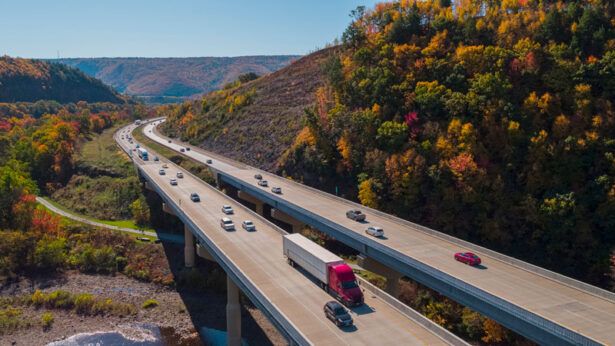
Inefficient routing wastes fuel through unnecessary miles, traffic congestion, and poor stop sequencing. A delivery driver making 20 stops could consume significantly different amounts of fuel depending on the quality of route planning. Poor planning creates backtracking, inefficient loops, and rush-hour driving, burning fuel unnecessarily.
Traffic Pattern Analysis
Time-of-day routing matters. Fuel economy drops dramatically in stop-and-go traffic compared to steady highway speeds. Routes through congested areas during rush hours waste fuel. Analyzing traffic patterns and adjusting schedules when possible can help reduce fuel consumption without reducing service coverage. Morning routes may work better before traffic builds, while afternoon routes may start later after congestion clears. This timing optimization requires operational flexibility but often delivers fuel savings, justifying minor schedule adjustments when service-level agreements permit timing windows.
GPS-Based Routing Tools
Modern GPS systems provide real-time traffic awareness and dynamic rerouting, helping drivers avoid unexpected congestion or accidents. These systems calculate fuel-efficient routes automatically based on current conditions rather than relying on historical averages or driver familiarity with an area.
Integration between route-planning software and fleet fuel card data helps businesses measure the impact of routing improvements on actual fuel consumption. Comparing fuel economy pre- and post-optimization demonstrates return on investment for routing technology and helps identify areas where further improvements may be possible.
Vehicle Maintenance for Optimal Fuel Economy
Poorly maintained vehicles consume excess fuel through underinflated tires, dirty air filters, worn spark plugs, and improper wheel alignment. These mechanical issues often develop gradually, which can help make efficiency degradation difficult to notice without tracking baseline fuel economy and monitoring for deviations.
Preventive maintenance schedules designed with fuel efficiency in mind can help address these issues before they significantly impact consumption. Regular tire pressure checks, scheduled filter replacements, and periodic tune-ups typically cost less than the fuel they save over a vehicle’s lifespan.
Tire Pressure Maintenance
Underinflated tires increase rolling resistance, forcing engines to work harder and consume more fuel. Just 10 PSI of underinflation can reduce fuel economy by 3 to 5 percent. Across fleets running hundreds of thousands of miles annually, these percentages translate into thousands of dollars in wasted fuel.
Monthly, weekly or daily tire pressure checks help catch slow leaks before they significantly impact efficiency. Some businesses implement weekly driver inspections in which operators verify tire pressure before daily routes. This proactive approach typically requires minimal time while helping deliver consistent fuel-economy benefits.
Engine Tuning and Filter Replacement
Engine performance degrades over time as spark plugs wear, air filters clog, and fuel injectors accumulate deposits. These gradual changes often go unnoticed until major problems occur, but they steadily reduce fuel economy throughout the degradation process. Scheduled tune-ups restore engine efficiency before waste becomes substantial.
Air filter replacement is particularly cost-effective. Clogged filters restrict airflow, creating rich fuel mixtures. This results in wasted gas with no power benefit. Fresh filters cost $15 to $40 but can help improve fuel economy by 5 to 10 percent when replacing severely restricted filters on older vehicles.
Right-Sizing Vehicles for Operational Needs
Operating oversized vehicles wastes fuel. A three-quarter-ton pickup truck making light deliveries a cargo van could handle burns excess fuel. This vehicle mismatch typically occurs through inertia rather than planning, as businesses replace vehicles with similar models regardless of actual current needs.
Periodic fleet composition reviews can help identify vehicles no longer matching operational requirements. Downsizing where appropriate helps reduce fuel consumption without affecting service capabilities. The transition might require capital investment in replacement vehicles, but fuel savings often justify upgrades through relatively short payback periods.
Alternative Fuel Vehicle Considerations
Electric vehicles and hybrids may offer operating cost advantages for specific use cases despite higher purchase prices. Short-route delivery operations with predictable daily mileage and overnight garage parking often align well with EV capabilities. Fuel savings, reduced maintenance, and incentive programs can help offset higher acquisition costs through total cost of ownership calculations.
Some fleet card programs support EV charging payments using the same cards and reporting systems for charging and fuel purchases alike. This consolidated approach helps businesses transition vehicle fleets gradually while maintaining unified expense tracking and payment systems.
Analyzing Fuel Expense Data for Ongoing Improvement
Data collection means little without analysis and action. Fleet fuel card systems automatically generate transaction data and fuel economy metrics. Regularly reviewing this information and implementing improvements based on findings typically achieves better results than treating cards simply as payment methods.
Monthly reporting reviews help identify trends before they become major problems. Gradual increases in fleet-wide fuel consumption suggest systematic issues requiring investigation. Individual vehicles showing efficiency declines need mechanical inspection. Drivers whose fuel economy falls below peer averages benefit from coaching conversations.
Cost-Per-Mile Benchmarking
Cost-per-mile metrics combine fuel spending with mileage data, revealing true operating costs beyond simple fuel consumption. Two vehicles might consume similar fuel volumes but drive very different distances, making raw consumption comparisons misleading. Cost per mile standardizes comparisons across vehicles with different utilization patterns.
Exception Reporting and Anomaly Detection
Automated exception reports help busy managers focus attention on problems rather than reviewing routine transactions. Unusual purchasing patterns, efficiency drops, and policy violations are flagged automatically for investigation. This filtered approach makes oversight manageable even for large fleets generating hundreds of monthly transactions.
Exception thresholds should be configured thoughtfully to balance sensitivity and false positives. Frequent flags can create alert fatigue, causing managers to ignore warnings. Overly permissive thresholds miss real problems. Calibration based on actual operating patterns typically requires an adjustment period but eventually produces a useful monitoring system.
Fuel expense management works best when businesses combine multiple strategies rather than relying on single approaches focused on narrow aspects of total fuel spending. Apply for a Shell Fleet Card designed to reduce operating costs across your fleet.