

Vehicle maintenance tracking often involves scattered documentation across repair shop receipts, credit card statements and manual logbooks. This approach makes it difficult and time-consuming to track service history, calculate per-vehicle maintenance costs and identify overdue preventative maintenance. Fleet fuel cards supporting vehicle maintenance can be used to consolidate fleet expenses and provide an accurate way to automatically track fuel and service expenses.
Maintenance tracking, combined with service discounts, is a key benefit of fleet cards. The Shell Card Business is accepted at thousands of service locations with 15% discounts at participating Jiffy Lube facilities. Apply today.
Maintenance transactions captured through fuel card systems typically include service dates, locations, service types and total costs.
How Fuel Cards Support Maintenance Expense Tracking
Traditional fuel cards work only at fuel pumps. Some more advanced fleet cards can be used for maintenance services, parts purchases and repair facility transactions. This broader acceptance allows businesses to use a single card for vehicle-related expenses, creating unified transaction records and capturing total operating costs rather than only fuel spending.
Service location networks often include major maintenance chains, independent repair facilities and parts retailers. Cards function the same way for maintenance purchases as they do for fuel. Drivers present cards at service counters, transactions are authorized through card networks, and charges appear on monthly statements alongside fuel purchases. This integration removes the need for separate payment methods across expense categories.
Accepted Maintenance Service Categories
Fleet cards typically cover routine maintenance, such as oil changes, tire rotations, brake services and fluid replacements at participating locations. Some programs extend coverage to major repairs, roadside assistance and parts purchases, though acceptance varies by provider and service agreements.
Product restrictions help control spending. Cards can be configured to allow maintenance at approved chains while blocking other service providers. This helps ensure drivers use preferred providers offering discounts and prevents unapproved service choices.
Transaction-Level Service Documentation
Maintenance transactions captured through fuel card systems typically include service dates, locations, service types and total costs. This automated documentation creates maintenance history records without manual logbooks or receipt filing systems.
Detailed transaction data can support warranty claims, resale documentation and regulatory compliance. Digital records are more reliable than paper receipts, which may be lost or damaged. These records often integrate with fleet management software for broader vehicle lifecycle tracking.
Capturing Maintenance Discounts Through Fuel Card Programs
Discounts of 15% to 20% at participating Jiffy Lube service chains can reduce these costs when businesses consistently use program-affiliated providers. The Shell Card Business Flex program, offering 20% discounts at participating Jiffy Lube locations, can deliver significant annual savings for fleets requiring regular maintenance.
Capturing discounts requires consistent provider selection and driver compliance. Businesses can increase savings by implementing maintenance policies designed to prioritize discounts and ensure drivers understand program benefits.
Oil Change and Fluid Service Discounts
Oil changes are the most frequent maintenance expense for fleet vehicles.
Fluid services such as coolant flushes, transmission services and brake fluid replacements offer larger per-service discounts. These services cost more than oil changes, making percentage discounts more impactful. A $150 transmission service with a 20% discount saves $30.
Tire Service Discounts
Tire rotation, balancing and alignment services extend tire life and improve fuel economy and safety. These services typically cost $50 to $100 per vehicle multiple times per year. Discounts through fleet card programs reduce these recurring expenses while encouraging regular maintenance.
Even small percentage discounts produce noticeable savings. Some programs also offer discounts on emergency tire repairs and roadside assistance.
Scheduling Preventive Maintenance Proactively
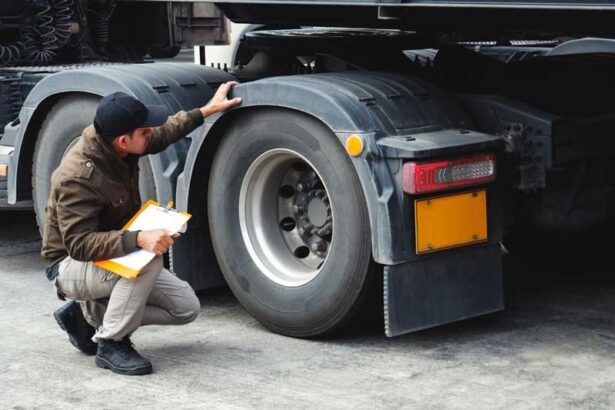
Preventive maintenance schedules based on mileage or time intervals help avoid major repairs. Manual tracking creates an administrative burden and can lead to missed services. Automated tracking systems can send reminders when vehicles approach service intervals.
Many fleet management platforms integrate with fuel card transaction data to track mileage and calculate maintenance due dates. Systems generate alerts when vehicles approach oil change intervals or inspection deadlines, improving compliance and reducing oversight.
Mileage-Based Service Alerts
Oil changes typically follow mileage intervals such as every 5,000 or 7,500 miles. Tracking mileage across multiple vehicles manually is time-consuming and error-prone. Automated systems calculate miles driven since the last service and trigger alerts as vehicles approach intervals.
Fuel card systems often capture odometer readings at each purchase. This allows systems to estimate mileage and project service schedules without GPS or telematics hardware. While not exact, this method is generally sufficient for routine maintenance planning.
Time-Based Service Reminders
Some services follow calendar intervals regardless of mileage, including inspections, registration renewals and certain fluid replacements. Combining time-based and mileage-based tracking ensures all maintenance requirements are addressed.
Identifying Vehicles Requiring Immediate Service
Declining fuel economy can indicate mechanical issues. A vehicle using significantly more fuel than its historical average may require maintenance such as tune-ups, tire pressure adjustments or engine diagnostics. Early identification can prevent more serious repairs.
Fleet fuel card reporting systems often calculate per-vehicle fuel economy using purchase volume and odometer data. Comparing current performance with historical averages helps identify issues earlier than relying on driver reports.
Tracking maintenance costs by vehicle helps identify those requiring disproportionate repairs. Higher costs may point to driver behavior, defects or mismatched vehicle use.
Fuel Economy Monitoring
Monitoring trends over time helps account for seasonal changes and operational differences. A steady decline in efficiency may indicate developing issues even if current performance remains within normal limits.
Alerts can be set when vehicles fall below thresholds, such as 10% or 15% below baseline efficiency. These alerts prompt investigation and maintenance before problems worsen.
Maintenance Cost Per Vehicle
Tracking maintenance costs by vehicle helps identify those requiring disproportionate repairs. Higher costs may point to driver behavior, defects or mismatched vehicle use. This information can support replacement decisions or driver training.
Total cost of ownership calculations should include fuel, maintenance, insurance and depreciation to help determine whether to keep or replace vehicles. Fleet card systems simplify this by consolidating expense data.
Consolidating Expenses for Simplified Accounting
Using multiple payment methods for vehicle expenses increases accounting complexity. Fuel purchases, maintenance payments and other expenses require separate reconciliation processes.
Unified monthly statements present all vehicle-related expenses in a consistent format. This approach helps accounting teams process expenses more efficiently and improves visibility into total fleet costs.
Unified Expense Reporting
Fleet card reports typically organize transactions by vehicle, expense category, driver and time period. This allows different teams to access data in formats relevant to their roles.
Export options, such as CSV, PDF and API connections, enable integration with accounting systems and fleet management tools.
Integrating Maintenance Tracking with Fleet Management Systems
Fuel card systems provide value on their own, but integration with fleet management platforms expands their usefulness. Combining maintenance data with telematics and asset management systems provides broader operational visibility.
Telematics and Maintenance Data Correlation
Telematics systems track location, speed, idle time and diagnostic data. When combined with maintenance records, they help identify patterns such as driver behavior affecting repair costs.
This analysis helps identify root causes of maintenance expenses, including driver habits or unsuitable vehicle assignments.
Asset Lifecycle Management
Tracking vehicle costs from purchase through disposal requires consistent expense data. Fleet cards simplify this by automatically capturing fuel and maintenance expenses.
Lifecycle cost analysis helps determine the optimal replacement timing by comparing ongoing costs with new vehicle expenses.
Emergency Roadside Assistance
Vehicle breakdowns require immediate service, often in unfamiliar locations. Some fleet card programs, like those offered by Shell, include roadside assistance for towing, tire changes, fuel delivery and lockout services. Using the same card simplifies payment and tracking.
Drivers contact service networks, provide card details, and charges appear on monthly statements with other expenses.
Towing and Recovery Services
Towing costs vary based on distance and vehicle size. Fleet cards with roadside integration can pre-authorize charges, allowing services without delays while maintaining spending controls.
Some programs offer discounted towing rates through network providers.
Fuel Delivery and Tire Change Services
Fuel delivery and mobile tire services resolve common roadside issues without the need for towing. These services often reduce downtime and cost compared to full towing services.
Fleet card integration allows drivers to arrange and pay for services through a single system, simplifying the process and ensuring proper documentation.
Consolidating maintenance and fuel tracking into a single card system helps businesses monitor total vehicle costs while reducing administrative work. The Shell Card Business Flex provides access to maintenance discounts and unified expense tracking for fleet operations.
Visit businessfleetsolutions.com to explore all Shell has to offer.