

Every company that depends on fleet vehicles needs three things: a fuel payment method, reliable fleet fuel expense tracking and comprehensive reporting for fuel costs, fuel usage and fleet operations. Regarding payment, there are three options: cash, credit cards and fuel cards. Fuel cards offer improved expense tracking and reporting, making them useful for fleets that need clearer fuel expense data. This visibility helps teams connect fuel costs, fuel usage and fleet operations without relying on manual records.
Cash, credit cards and fuel cards each affect expense tracking, reporting visibility and fuel cost control differently. Cash must be tracked manually and can be lost or stolen. Credit cards are more secure than cash, but they typically lack specialized fleet tracking or itemized reporting features. Fuel cards, however, are more secure than cash while offering improved expense tracking and reporting, compared to credit cards.
Fleet cards also give managers better control over spending, routes and driver behavior than a general-purpose card is typically designed to offer.
Fuel cards offer a detailed breakdown of expenses, something cash or credit cards can’t provide.
Before exploring the tracking and reporting capabilities of fuel cards compared to credit cards or cash, let’s look at a fuel card’s basic functions.
What is a Fuel Card?
Fuel cards, also known as fleet cards, fleet fuel cards or corporate gas cards, combine fuel purchasing, vehicle expense tracking and fleet management data in one payment tool. Often, these cards offer fuel rebates or discounts as well as savings on vehicle-related purchases like tires or parts and services. These savings can make fleet cards a practical payment option. However, there are many other reasons to use a fleet fuel card for fuel purchases. The result is a payment tool capable of supporting fuel management, maintenance planning and expense management across vehicles.
Advantages of Fuel Cards Over Cash or Credit Cards
Fuel Expense Tracking and Fuel Cards
Manual fuel expense tracking starts with receipts: with cash purchases, every receipt must be kept, and every detail manually entered into a spreadsheet or other tracking tool. Credit cards give you purchase data on monthly statements, but the details are limited. With fleet cards, you can access all your purchase info in real time. Fleet cards also have tracking information pertaining to drivers and vehicles, as well as purchase controls and additional security. This makes fleet card data useful for tracking costs, identifying fuel waste and supporting smarter budgeting.
Enhanced Expense Tracking
Fuel card dashboards give fleet managers a more detailed breakdown of fuel expenses, fuel costs and transaction records than cash or credit cards. Each fuel card transaction is logged in a fleet card dashboard as the purchases happen, tracking the following details: The dashboard can become a searchable record of transaction data, fuel costs and purchase patterns.
- Date and time of purchase
- Location of purchase
- Volume of fuel purchased
- Dollar amount of purchase
- Fuel type and grade purchased
- Odometer or mileage reading
- Driver or vehicle ID
Real-time fuel transaction monitoring creates visibility around fuel spend. With this data, businesses can stay informed about fuel consumption and make data-driven decisions. When using a fuel card, much of the fuel expense tracking is automated at the point of sale. This visibility helps uncover fuel efficiency issues, idling, route problems and other inefficiencies before they become larger operating costs.
Payment Controls
Fleet fuel cards allow fleet managers or business owners to set purchase limits, spending controls and fuel usage rules by driver or vehicle. While not directly related to expense tracking, these payment controls impact how and what information is monitored. Fleet fuel cards let managers set spending controls and standard purchase limits by driver, vehicle, location, time window or fuel type. These limits tighten fuel expense tracking and reporting by capping where, when and how much each driver can spend, so transaction data stays clean and easier to reconcile. Common purchase limits include:
- Fuel type (gas vs. diesel)
- Fuel grade
- Volume (gallons)
- Time of day or days of the week
- Specific fuel stations
- Number of transactions in a given timeframe
Customizable fuel-specific purchase limits are rarely available with standard cash or general credit cards. The benefit of these limits is managers can define what and how their purchases are tracked. These purchase limits also help control misuse of funds by ensuring employees use fuel resources responsibly. This gives businesses cleaner oversight of fuel usage and reduces overspending across daily operations.
Security and Fraud Prevention
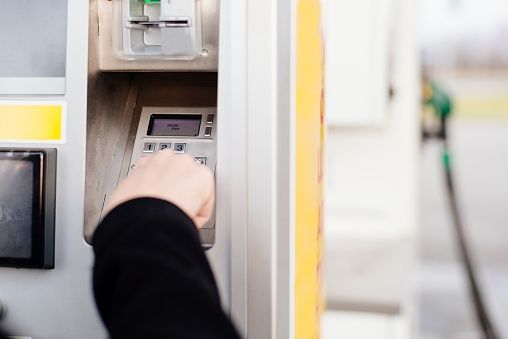
Many fleet card providers monitor suspicious fuel transactions in real time and alert fleet managers to fraud, misuse or unusual spending patterns. Additionally, fuel cards are equipped with personal identification numbers (PINs). These PINs must be entered at the pump before a transaction can proceed. In the case of theft or a lost card, managers can quickly and easily deactivate cards to prevent unauthorized usage. Real-time alerts help managers spot anomalies, fuel fraud and unusual transaction data before small problems affect the bottom line.
Traditional cash does not offer these digital security safeguards, and some basic credit cards can be more susceptible to misuse or fraud than fleet cards.
Fuel Expense Reporting and Fuel Cards
Fuel expense reporting is harder with cash or credit cards because manual reporting, receipts and spreadsheets create more room for human error. With a fuel card, however, you have reporting tools available in a dashboard, and the reporting power is designed to reduce the administrative load for your accounting team. Accurate digital records can help make auditing, reconciliation and compliance easier than rebuilding fuel expenses from receipts.
Streamlined Reporting
Fuel card reporting software automates fuel expense records, built to save significant time on manual data entry, reconciliation and analysis. Reports can be customized based on your business needs. You can easily create reports showing driver, vehicle or department expenses. Since data is directly transferred from your fleet card to the dashboard where your reports are created, it helps minimize the risk of human error when compared with manual credit card or cash reporting. Many fleets also use reporting software integration to connect fuel card records with accounting systems, telematics platforms or other fleet management tools.
Automated fuel reports help identify trends, inefficiencies, idling, route issues or outliers in fuel consumption. This fuel spending data helps businesses identify areas for cost reduction. Those metrics can support forecasting, cost savings, performance reviews and route optimization without adding more manual data entry.
Automated reports make it easy to identify trends, inefficiencies or outliers in fuel consumption.
Reduced Administrative Load
Because fleet card reporting captures driver, vehicle and transaction data automatically, drivers may no longer need to submit separate fuel expense reports, a very labor-intensive process still required when using cash or credit cards. With fleet cards, your accounting department may have more time to help grow your business. Automated fuel expense reporting also improves accuracy and gives organizations a clearer view of operating costs by vehicle, driver or department.
The time saved in collecting and collating receipts, cross-checking expense claims, and processing reimbursements can instead be invested in more strategic tasks. It also gives the team cleaner records for budgeting, auditing and future fuel savings analysis.
Free Up Time with Better Tracking and Reporting
For fleets that need better fuel expense tracking and reporting, a fuel card can help the business improve efficiency, visibility and cost control. You can save valuable time, access near real-time transaction data and gain insights from thorough reports and data analytics. Better visibility into fuel costs, fuel efficiency and fleet operations can help teams find waste, improve allocation and make stronger decisions.
Fleet fuel cards give businesses a clearer way to manage fuel expenses, fuel usage and reporting data. Is it time for you to evaluate whether a fuel card fits your fleet? With the right tools, your team can turn purchase data into insights. A fleet card can help improve accountability, reduce fuel waste and strengthen day-to-day fleet management.
Learn more about shell fuel cards and how to implement getter tracking and fleet reporting.